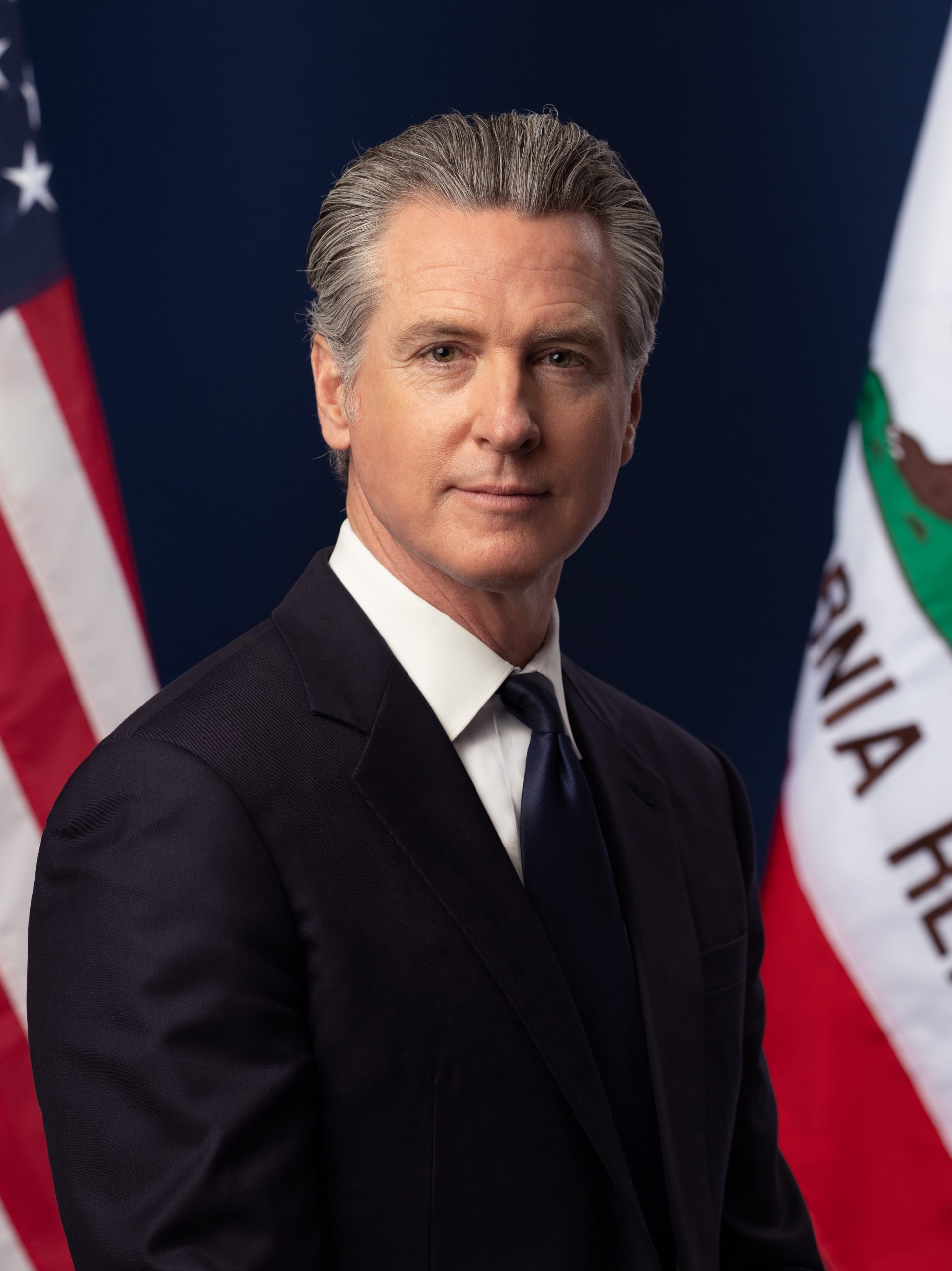
Governor Gavin Newsom will leave office in January having shaped California through some of the most turbulent years in state history — a pandemic, record wildfires, a historic housing collapse, and the most aggressive federal rollback of social services in a generation. His final budget, currently being negotiated with the Legislature before a June 30 deadline, will be how history tallies the bill.
The numbers look better than many feared. The administration’s May Revision projects a balanced General Fund through 2028, built on stronger-than-expected stock market revenues. Newsom called it proof that “fiscal discipline and progressive values go hand in hand.” Counties and disability advocates called it something else.
The California State Association of Counties warned the budget fails to restore a 50 percent cut to homeless housing grants from last year, holding the Homeless Housing, Assistance and Prevention program at $500 million — down from $1 billion in prior rounds. The organization put it plainly: “Counties cannot tackle homelessness alone. Without reliable, ongoing state investment, the progress made across California is at risk.”
That progress was real. A 9 percent reduction in unsheltered homelessness in 2025, driven largely by one-time state investments, is not nothing. But one-time money runs out. The May Revision includes no new ongoing homelessness funding, and the Trump administration has simultaneously moved to defund federal housing programs. The squeeze is coming from both directions.
Seniors and people with disabilities took some of the hardest hits. The budget reinstates a Medi-Cal asset test limit — $2,000 for individuals, $3,000 for couples — that was removed in 2022. The administration projects savings of roughly $495 million annually. For an elderly person trying to hold onto a small emergency fund while receiving home care, that math works very differently. Advocates at Disability Rights California noted that the budget also proposed cuts to Enhanced Care Management and Community Supports programs under CalAIM, which provide intensive coordination for Medi-Cal members with the most complex needs.
At the county level, In-Home Supportive Services costs are being shifted downward — $233.6 million transferred from the state to counties that are already stretched thin by federal cuts. The California Pan-Ethnic Health Network estimated that as many as 3 million Californians could lose access to critical health services due to a combination of state and federal reductions. For undocumented residents, the picture is worse: the budget maintains an enrollment freeze for full-scope Medi-Cal and adds federal work requirements — cuts layered on top of cuts.
To be clear, the Governor’s proposed budget is not uniformly austere. The Department of Developmental Services received a net increase of $2.4 billion, primarily for caseload growth. Vocational rehabilitation saw $60 million in new federal funds. The Department of Rehabilitation’s budget reflects increased demand for employment services. These are real investments.
But the critique from the California Budget & Policy Center hits squarely: this is Newsom’s final opportunity to respond to the harm caused by federal cuts enacted through H.R. 1 — and the proposed spending plan falls short. The state is losing billions in federal funding while simultaneously cutting its own safety net programs. The people who depend on both have nowhere left to look.
The budget will be finalized before the fiscal year begins July 1. When it is, the question won’t be whether California balanced its books. It will be who carried the balance.
— Jose E. Navarro, The Navarro Report / Human-Directed AI Journalism: Research, analysis, and editorial direction by the author. Drafted in partnership with Claude AI (Anthropic).