By The Navarro Report
Federal officials are defending, in court filings, a series of investigations that sent Immigration and Customs Enforcement agents to the homes, airports and hotels of American citizens who criticized the agency — a pattern of conduct that is drawing new scrutiny just months before the 2026 midterm elections, when the Department of Homeland Security has separately faced pressure to clarify whether its agents will operate anywhere near polling places.
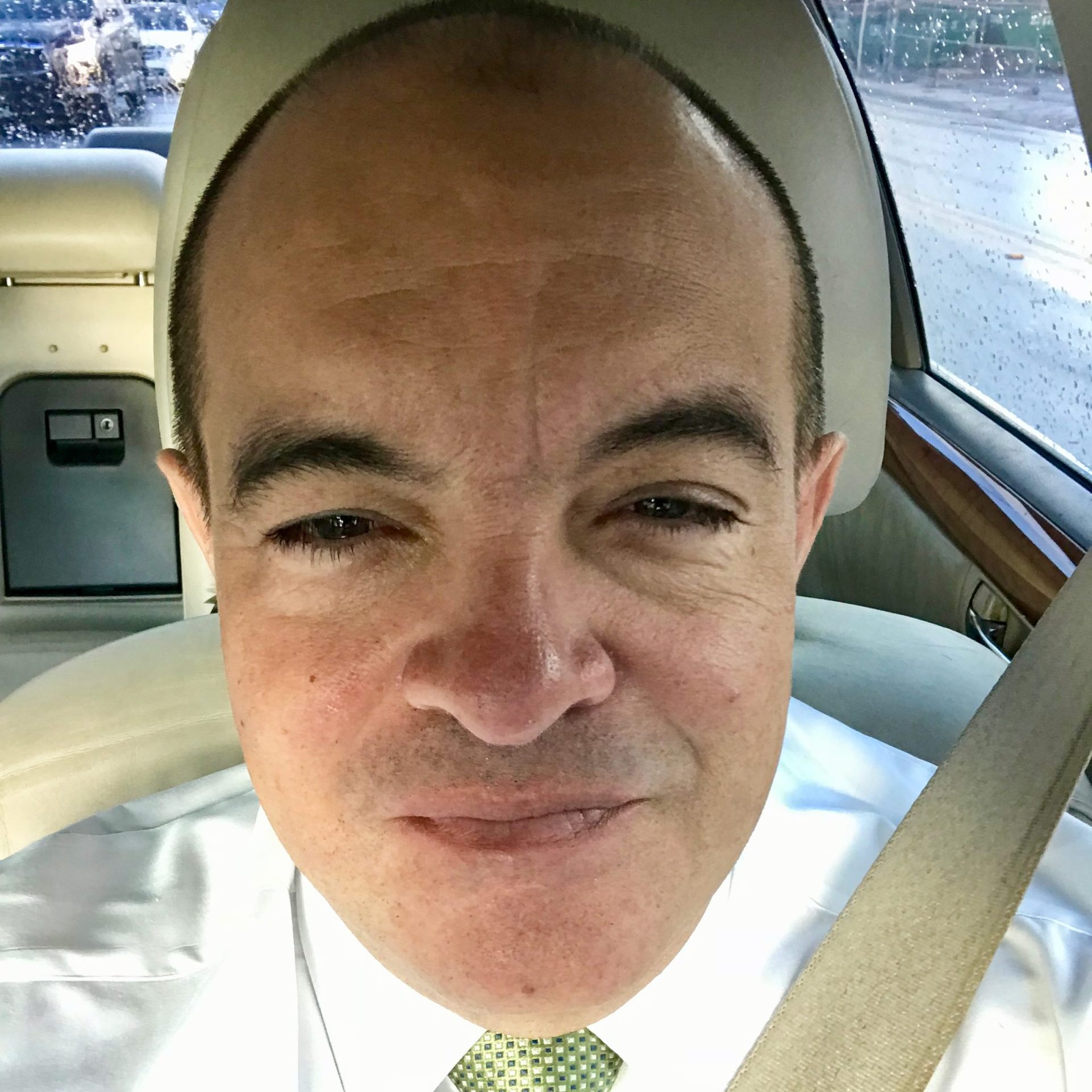
The most detailed account involves David Streever, a 45-year-old Rochester, New York, resident who sent a critical email to then-acting ICE Director Todd Lyons in January after federal immigration officials fatally shot two U.S. citizens. Five months later, on June 23, two agents from Homeland Security Investigations — part of DHS — traveled more than 330 miles from Jersey City, New Jersey, to Streever’s home. His wife, an Episcopal priest who answered the door still wearing her clergy collar, told the agents her husband was traveling in Europe. Rather than close the matter, agents tracked his return flight and were waiting to confront him when he landed at John F. Kennedy International Airport on June 25. When Streever cleared customs without incident, agents located the hotel he had listed with Customs and Border Protection as his destination and attempted, unsuccessfully, to reach him there by phone.
Federal officials confirmed in a court declaration that the investigation was formally closed at the end of June, but they have defended the underlying decision to investigate in court filings responding to a First Amendment lawsuit Streever has since filed against DHS and ICE officials. According to that declaration, the agency’s Office of Professional Responsibility determined an investigation was warranted once Streever’s email came to its attention.
Streever’s case did not surface in isolation. The same day agents appeared at his Rochester home, a separate pair of Homeland Security Investigations agents approached Paigelynne Gonyea, a poll worker, while she was staffing a polling place during New York’s primary election in Syracuse. The agents presented Gonyea with a form asserting that her Instagram account may have violated federal law and asked her to sign it. Streever and Gonyea connected after each separately noticed the same pattern in local news coverage, and comparing notes, determined the agents who visited them were the same two individuals working both cases on the same day.
The proximity of that encounter to an active polling place is what elevates the Streever and Gonyea cases beyond isolated free-speech disputes and into the center of a broader, and increasingly heated, debate over ICE’s posture heading into November’s midterm elections. Since early this year, DHS officials — including Secretary Markwayne Mullin, during his confirmation hearing — have faced repeated questions from lawmakers and civil rights groups over whether immigration agents could be stationed at or near polling sites, ostensibly in response to “public safety threats.” DHS has stated in briefings with state election officials, and in public statements, that it does not plan to deploy ICE agents specifically to target polling locations. But the agency has simultaneously preserved broad discretion to make arrests near polling places if it determines an “active public safety threat” exists — language that voting rights advocates and members of Congress, including Rep. Raja Krishnamoorthi, have warned is vague enough to justify agents effectively deterring turnout.
The Gonyea encounter — an HSI team visiting a working polling site to question a poll worker about her personal social media activity — occurred under exactly the kind of ambiguous circumstances those advocates have flagged. It did not involve an arrest, and DHS has not characterized the visit as an official election-security operation. But election law experts note that even brief, informal contact between federal agents and election workers at an active polling place can have a chilling effect that is difficult to distinguish, from a voter’s perspective, from the kind of intentional intimidation that the Brennan Center for Justice and other legal organizations have argued would be unlawful if deployed deliberately.
Congressional Democrats have pressed DHS for specifics on what guidance, if any, agents receive about voting rights protections and legal limits on their presence near polling places, and for details on any contingency planning the department has developed for Election Day operations. DHS’s public responses have been consistent in stating that ICE is not “planning operations targeting polling locations,” while declining to rule out enforcement actions that happen to occur nearby. Political operatives aligned with the administration, including former White House strategist Steve Bannon, have separately suggested publicly that a visible ICE presence near polling places would serve as a deterrent — remarks that state election officials in both parties have said complicate DHS’s efforts to reassure voters.
For civic-accountability and election-integrity observers, the Streever and Gonyea cases matter less as isolated incidents than as evidence of how HSI and ICE currently exercise investigative discretion against American citizens who engage in ordinary, constitutionally protected activity — sending a critical email, posting on social media — and how easily that discretion can intersect with the machinery of an election. Whether DHS’s internal guidance meaningfully separates “targeted enforcement” from activity that has the practical effect of intimidating voters and election workers is likely to be tested repeatedly as the midterms approach, particularly in swing districts and in states where local election officials have publicly clashed with DHS over data requests and voter-roll purges this year.
The Streever lawsuit, still pending, may ultimately provide the clearest legal test yet of where DHS’s authority to investigate its critics ends and where First Amendment protections begin — a question with direct bearing on how much latitude the agency will be presumed to have if similar encounters occur at or near a polling place this November. The Navarro Report will continue to follow both the litigation and DHS’s public commitments regarding the midterms as Election Day approaches.