OAKLAND, California — June 25, 2026
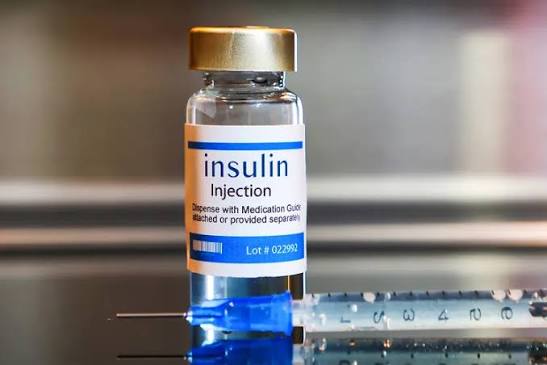
For a decade, CVS Pharmacy — one of the largest retail pharmacy chains in the United States — systematically overcharged Medi-Cal and Medicaid programs for insulin it was dispensing to diabetic patients. It did so by giving patients more insulin than their doctors had actually prescribed, then falsifying the days-of-supply data it submitted to billing systems, which tricked those systems into approving refill after refill that the patients didn’t need and the government was never authorized to pay for.
That fraud, which ran from January 2010 through December 2020, has now cost CVS $36.5 million in a settlement reached with California Attorney General Rob Bonta and the U.S. Department of Justice, through a bipartisan coalition of 37 state attorneys general. California’s share of the settlement exceeds $2.7 million, plus an additional $1.26 million paid to the California Department of Insurance.
“Today’s settlement holds CVS accountable for its fraudulent drug dispensing and billing practices,” Attorney General Bonta said. “Pharmacies have an important responsibility to ensure all claims they submit to Medi-Cal are true and accurate to ensure that Medi-Cal funds go to people who actually need them.”
The mechanics of the scheme were straightforward and deliberate. CVS pharmacies dispensed quantities of insulin exceeding what doctors prescribed, and then under-reported the number of days that supply should actually last. A 50-day supply of insulin pens would be recorded as a 30-day supply — which then triggered the billing system to approve a refill after 30 days, rather than 50. The same patient could be refilled seven times in eight months for insulin they had not yet used, with the government paying for every vial. The practice was systematic across CVS locations in multiple states.
The case originated not with a regulatory audit, but with a whistleblower: Adam Rahimi, a pharmacist who had worked for CVS and documented the practice from the inside. His qui tam lawsuit, filed under the False Claims Act, initiated the federal and state investigation. Rahimi will receive the majority of the 19.5% whistleblower share of the government’s recovery in the federal case — a reward for having the integrity to report what he observed at professional and personal risk.
In a Stipulation of Settlement, CVS acknowledged that government health programs “paid CVS substantial amounts for insulin pen refills that were ineligible for reimbursement” and that “CVS pharmacies dispensed more insulin to beneficiaries than they needed.”
The implications extend well beyond insulin. Medi-Cal is California’s Medicaid program, serving more than 14 million low-income residents — including a substantial portion of San Diego County’s population. Every dollar fraudulently billed to Medi-Cal is a dollar that cannot be spent on medically necessary care for those patients. A decade of overbilling at scale by one of the country’s most prominent pharmacy chains represents a profound breach of the public trust that Medi-Cal places in its pharmacy partners.
CVS is not an outlier in the landscape of Medicaid fraud. The federal government recovers billions annually through False Claims Act settlements and prosecutions involving pharmaceutical companies, providers, and pharmacy benefit managers. But the CVS insulin case is notable for both its duration — ten years of documented fraudulent billing — and the clarity of the misconduct: doctors wrote prescriptions, CVS dispensed more than was ordered, and then lied to the billing systems that were supposed to catch exactly that kind of abuse.
The settlement is also a reminder that the most significant accountability actions often begin not with regulators, but with a single person on the inside who decides the fraud is something they cannot stay silent about. Adam Rahimi’s name will not be in CVS’s press release. It should be.
— Jose E. Navarro, The Navarro Report / Human-Directed AI Journalism: Research, analysis, and editorial direction by the author. Drafted in partnership with Claude AI (Anthropic).