The Navarro Report | California | June 29, 2026
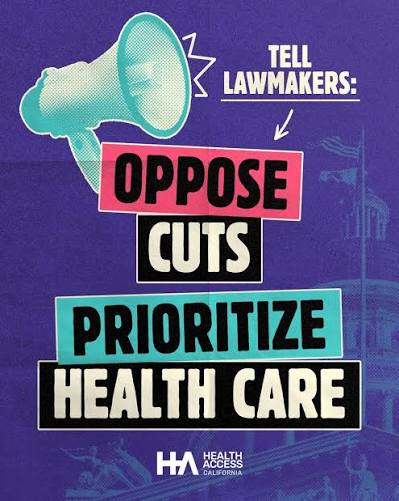
California lawmakers and Governor Newsom have reached a budget agreement that pulls back from some of the most severe healthcare and social-service reductions Newsom proposed earlier this year, signaling that intensive negotiations between the Legislature and the governor’s office produced real concessions rather than a rubber stamp. The plan approved Monday night postpones many of the deepest cuts to healthcare and social services, opening the door to further talks with the governor before the new fiscal year begins.
The clearest example involves Medi-Cal eligibility for seniors and people with disabilities. The Legislature rejected Newsom’s proposal to reinstate stringent Medi-Cal asset tests by July, instead proposing a less restrictive limit that wouldn’t take effect until fiscal year 2027-28 — buying an extra year of breathing room for vulnerable Californians who would otherwise have faced abrupt eligibility changes. Lawmakers also rejected Newsom’s proposed cuts to In-Home Supportive Services, a program that allows elderly and disabled residents to receive care at home rather than in institutional settings, with bipartisan support behind preserving it intact.
Revenue mechanics matter here too. Assemblymembers were set to approve three Newsom-backed tax measures Monday night, including Senate Bill 125, which extends a tax on healthcare providers that the state relies on to access additional federal matching funds — an estimated $2 billion annually once renewed. That revenue stream is central to how the state can afford to delay rather than impose the cuts Newsom originally proposed.
For nonprofits and safety-net organizations across California — including those serving vulnerable populations in San Diego — the budget deal also includes $125 million to help counties reestablish indigent care programs that largely disappeared after the Affordable Care Act took effect, along with additional funding for counties to manage new eligibility-verification workloads tied to federal requirements under the Trump administration’s spending legislation. The package further delays elimination of dental benefits and supplemental provider payments for Medi-Cal beneficiaries with unsatisfactory immigration status, pushing those cuts to July 2027 rather than implementing them this year.
Education funding remains the most contentious unresolved piece. The Legislature’s budget projects roughly $5 billion more in revenue than Newsom forecast, translating to about $2 billion more for K-12 schools and community colleges under the Proposition 98 funding guarantee — but the central dispute is the $3.9 billion in school funding Newsom wants to withhold as a hedge against revenue projections, mainly tied to tax receipts from AI-sector investment gains, not materializing. The California Teachers Association has been vocal in opposing that withholding mechanism, characterizing it as an accounting maneuver rather than sound fiscal policy, and education groups have signaled they may pursue litigation if the dispute isn’t resolved favorably.
Newsom signed the final budget Monday, delivering a balanced plan with no deficit this year or next while preserving nearly $30 billion in reserves — just over $35 billion when additional holding accounts are factored in. For an organization like SDCB navigating its own funding cliffs with DOR, the larger lesson here is instructive: even amid a genuinely difficult fiscal environment, sustained legislative pressure and a clear, documented case for service continuity can meaningfully shift outcomes away from a governor’s initial worst-case proposals. The same dynamic — incremental wins through persistent advocacy rather than dramatic reversals — is one worth watching as California’s safety-net funding fights continue into the new fiscal year.
— Jose E. Navarro, The Navarro Report / Human-Directed AI Journalism: Research, analysis, and editorial direction by the author. Drafted in partnership with Claude AI (Anthropic).