The Navarro Report | San Diego Local | June 29, 2026
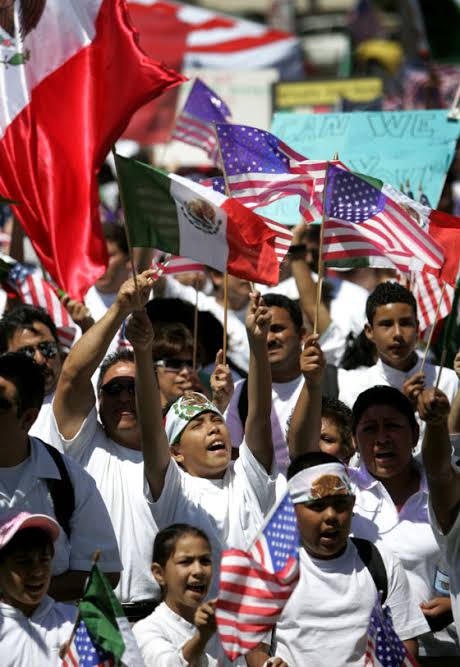
Monday’s Supreme Court ruling stripping Temporary Protected Status from Haitian and Syrian nationals nationwide is already prompting response from San Diego’s immigration advocacy community, as local nonprofits move to assess what the decision means for residents who have built lives here under TPS protections. A San Diego immigration nonprofit weighed in on the Supreme Court’s ruling ending protections for Haitians and Syrians, underscoring how a federal decision handed down in Washington translates almost immediately into local casework, legal consultations, and community anxiety in a border city with a substantial immigrant population.
San Diego’s position as a border region means the practical effects of immigration policy shifts tend to surface here faster and more visibly than in many other parts of the country. Legal aid organizations, faith-based groups, and community nonprofits that have spent years building relationships with TPS holders — helping with renewals, employment authorization, and family stability — now face the task of explaining a ruling whose downstream effects (work authorization timelines, enforcement priorities, removal proceedings) remain genuinely uncertain even to immigration attorneys. For a city where bilingual service delivery and cross-border community ties are part of daily civic life, the ruling is less an abstract national headline than a direct operational challenge for the nonprofit sector.
This local immigration story is unfolding alongside several other developments shaping the city’s news cycle this week. A U.S. Marine has gone missing from the USS Anchorage, prompting a transition from search efforts to a formal search-and-recovery operation off the Southern California coast after more than 43 hours without contact — a sobering reminder of the risks inherent in military service even during routine deployment periods near home waters.
On a different note entirely, San Diego is leaning into its World Cup moment. With Mexico facing Ecuador and the USMNT preparing for a showdown against Bosnia and Herzegovina, local officials are balancing civic excitement with practical safety messaging as the city gears up for both World Cup viewing gatherings and Fourth of July celebrations across the county. Local coverage has also flagged a more mundane seasonal hazard: two children and an adult were burned roasting marshmallows in Oceanside, a reminder that summer celebration season brings its own routine risks alongside the bigger civic moments.
Taken together, this week’s local news cycle captures something characteristic of San Diego: a city simultaneously absorbing the direct human consequences of federal immigration policy, processing the anxiety of a missing service member from a Navy ship based here, and preparing for the kind of civic celebration — World Cup matches, Fourth of July festivities — that defines the city’s identity as a binational, military-anchored, internationally engaged community. For nonprofit and civic organizations operating in this environment, the throughline is the same one that has defined much of 2026: federal policy shifts landing hardest and fastest in border communities, even as the city continues to show up for its broader civic and cultural commitments.
— Jose E. Navarro, The Navarro Report / Human-Directed AI Journalism: Research, analysis, and editorial direction by the author. Drafted in partnership with Claude AI (Anthropic).